
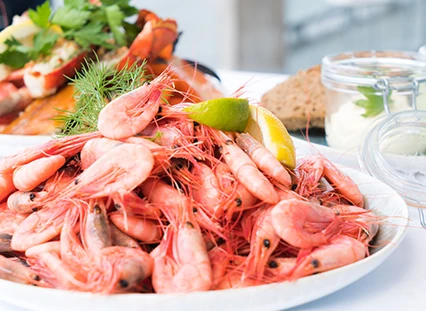

Plenty of home cooks are nervous about fish, worried it will stick, overcook or fall apart. In truth, fish is one of the fastest and most forgiving things you can cook, as long as you keep a few simple principles in mind.
Start with freshness
Great fish cookery begins at the counter. Fresh fish smells clean and of the sea, never strongly fishy, with firm flesh and a bright appearance. Buy the best you can and let it be the star.
Keep the seasoning simple
Good fish needs very little. Salt, a little oil or butter, and a squeeze of lemon at the end are often all it takes. Heavy sauces can mask the delicate flavour you paid for.
Master one method first
You do not need a dozen techniques. Learn to pan-fry a fillet well and you can cook most fish with confidence.
- Pat the fillet completely dry, which is the secret to a crisp surface.
- Get the pan properly hot before the fish goes anywhere near it.
- Lay the fillet down skin-side first and leave it alone to crisp.
- Flip once, finish briefly, and rest it for a minute before serving.
Dry surface, hot pan, gentle hand. That is the whole craft.
Know when it is done
Fish cooks quickly and keeps cooking off the heat, so pull it just before you think it is ready. It should flake gently and look opaque all the way through; a few seconds too long is the difference between tender and dry.
Build a simple plate
Let the fish lead and keep the sides easy:
- A crisp salad or quick-steamed greens for freshness.
- New potatoes or crusty bread to round out the plate.
- A wedge of lemon and a drizzle of good olive oil to finish.
Build your confidence
Start with forgiving fillets, cook them simply, and you will quickly trust your instincts. Before long, a fresh piece of fish will become one of your easiest weeknight wins.
Expand beyond the fillet
Once pan-frying feels natural, a whole world of fish cookery opens up. Roasting a whole fish is far less daunting than it sounds and makes a spectacular centrepiece, while gentle poaching produces meltingly tender results with almost no effort. Each method builds on the same instincts: fresh fish, light seasoning and a careful eye on doneness.
Do not overlook tinned and frozen fish, either. Good-quality frozen fillets, defrosted properly and patted dry, cook beautifully, and tinned fish is a brilliant shortcut for quick pastas, salads and toasts. They make eating more fish realistic on even the busiest weeks.
Match the fish to the meal
Firmer fish stand up to bolder treatments and high heat, while delicate white fish prefer gentler cooking and lighter flavours. Keeping that simple distinction in mind helps you choose the right method every time, and it is the kind of judgement that becomes second nature with a little practice.
Rather leave it to the experts tonight? Browse seafood kitchens near you and order a beautifully cooked plate.

0 Comments
No comments yet. Be the first to share your thoughts.