


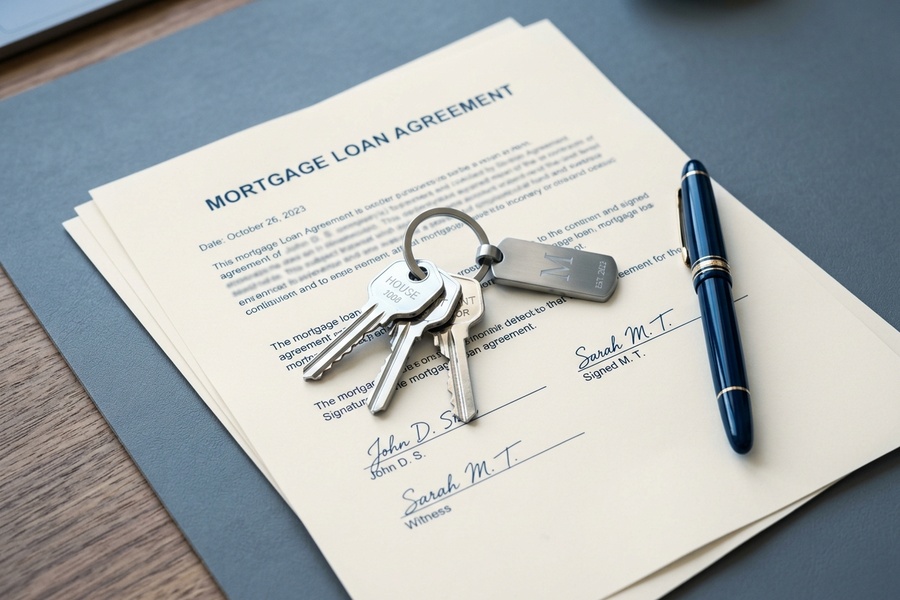
The Question Every Borrower Asks First
A fixed rate buys certainty: the payment you sign is the payment you make until the last month. A variable rate buys possibility: it tracks the market, so it can fall — and it can rise. Neither is “better”. One of them simply fits your next few years better than the other.
The honest way to choose is to stop predicting the market and start reading your own budget. If a $60 monthly swing would force real trade-offs, you are a fixed-rate borrower no matter what the forecasts say. If you carry headroom and the loan is short, variable pricing usually starts lower and stays cheaper.
Certainty is a product. You buy it with a slightly higher rate, and for most households it is the cheapest insurance they will ever own. — Devon Carter, Lendora rates desk
Three Numbers Before You Decide
Run these in the loan calculators before signing anything: your payment at today’s rate, your payment if rates rise two points, and the total interest gap between fixed and variable over your real term. The two-point stress test is the one lenders run on you — run it on yourself first.
On short terms the gap rarely justifies the risk premium either way; on long terms the compounding does the deciding. That is why most of our home borrowers fix, and most one-to-three-year personal borrowers float.

Devon Carter
Rates analyst at Lendora. Eleven years pricing loans, now explaining them — every chart checked against real funded files.
2 Comments

Maria Kowalski
Aug 22, 2026Worth adding: some variable products cap the yearly rise. Ask for the cap in writing before comparing.
ReplyLeave A Comment
Your email stays private — required fields are marked.


Jonas Meyer
Aug 23, 2026The two-point stress test settled a six-month argument in our house in about four minutes. Fixed it is.
Reply